

A Taste of Tradition – Exploring the Cultural Significance of Bamboo Rice Baskets
Objective
This blog aims to explore how traditional bamboo rice baskets reflect cultural identity, sustainable living, and artisan craftsmanship across Asian food traditions. It shows readers why these handcrafted pieces are still important today. It also explains how they fit into eco-friendly lifestyles.
Key Takeaways
- Why are bamboo rice baskets more valuable than kitchen equipment
- How food, culture and handicrafts crossroads
- What makes bamboo-made containers so important today?
- What does it mean? CCCollections is a supporter of traditional craft through ethical sourcing.
Introduction
Some of the most meaningful food traditions are carried not by recipes, but by the baskets that hold them.
Before the advent of modern kitchenware made from factory ingredients, communities across Asia used simple, natural tools that helped them store, cook and serve their food. Habits of daily life, local resources and common values created the tools. Among them, the bamboo rice basket stands out as a quiet but powerful symbol of culture, care, and craft.
Did you know that rice storage and serving vessels have been used in Southeast Asia for centuries? They symbolise prosperity, respect, and community. Cultural food historians and museum archives show that bamboo baskets were made for more than a functional purpose. Their size, weave, and shape show regional identity and social customs. These traits are passed down through families and villages.
In this guide, we look at what these baskets mean, why they’re important, and how they suit today’s eco-friendly homes. This is particularly relevant when they're sourced ethically from brands with a focus on artisanal design from CCCollections.
Table of Contents
- The Cultural Roots of Bamboo Rice Traditions
- How Traditional Bamboo Containers Support Sustainable Living
- Craftsmanship Behind Handwoven Rice Baskets
- Cultural Variations Across Asian Food Practices
- Everyday Use Meets Modern Homes
- Caring for and Preserving Traditional Rice Baskets
- Why Bamboo Rice Baskets Make Meaningful Gifts
- Frequently Asked Questions
Cultural Roots Behind Traditional Rice Containers
Rice has always been more than food. In Asia, how rice is stored, cooked, and served shows respect, hospitality, and family heritage. Traditional rice containers were key for everyday meals and special gatherings.
Traditional food vessels and cultural heritage
Rice baskets differed by region and time of day. A simple woven cloth container was used to serve meals every day. The designs for celebrations and family gatherings were more intricate. Sharing rice in a basket helped to strengthen the bond of families and also showed care.
These practices kept traditional craftsmanship alive. Weaving skills are passed from one generation to the next. People often learned them at home instead of in workshops.
How Traditional Bamboo Containers Support Sustainable Living
Long before sustainability was a common issue, communities used renewable materials. These materials respected nature and lasted for generations. Bamboo was chosen because it grows quickly, needs little processing, and suits warm, humid climates.
Eco-friendly kitchenware and bamboo craftsmanship
A bamboo rice container lets steam go away while keeping warm rice, which ensures food safety and texture. Contrary to metal and plastic bamboo is not able to hold the heat or water in a way that is unevenly.
A properly constructed bamboo rice container will also last for a long time if it is maintained appropriately. Natural fibres remain valuable even today. They are a great option for low-waste lifestyles and long-term use, instead of a quick replacement.
The Art of Weaving – How Bamboo Rice Baskets Are Made
Every woven pattern carries meaning. Skilled artisans shape bamboo strips by hand. They create strong, flexible forms that can withstand heat, moisture, and daily use.
Handwoven baskets and indigenous weaving techniques
Making a basket can take several days. The bamboo must be cut, dried, split, and shaped before weaving begins. Regional styles differ in pattern density and form, depending on climate and food habits.
What this really means is simple. Human skill guides every step, unlike mass production, where speed replaces care. This difference shows in durability and feel.
Cultural Variations in Rice Baskets Across Asia
While the purpose stays the same, design changes across regions, shaped by climate, food habits, and tradition.
Cultural food containers across regions
- A sticky rice steamer basket is popular in northern Thailand and Laos. It cooks rice directly over steam.
- The sticky rice basket keeps rice warm during shared meals. It is often placed at the centre of the table.
- The Japanese bamboo rice container features clean lines and a practical size, perfect for portioned meals.
- In some areas, people use water hyacinth baskets. This shows how communities adapt to what they have.

Everyday Use Meets Modern Homes
Traditional bamboo baskets are no longer limited to rural kitchens. Today, they fit easily into modern, eco-conscious lifestyles.
Heritage utensils in contemporary kitchens
Many households now use bamboo baskets for bread, fruit, or table storage. Their natural look blends well with modern interiors while serving practical needs.
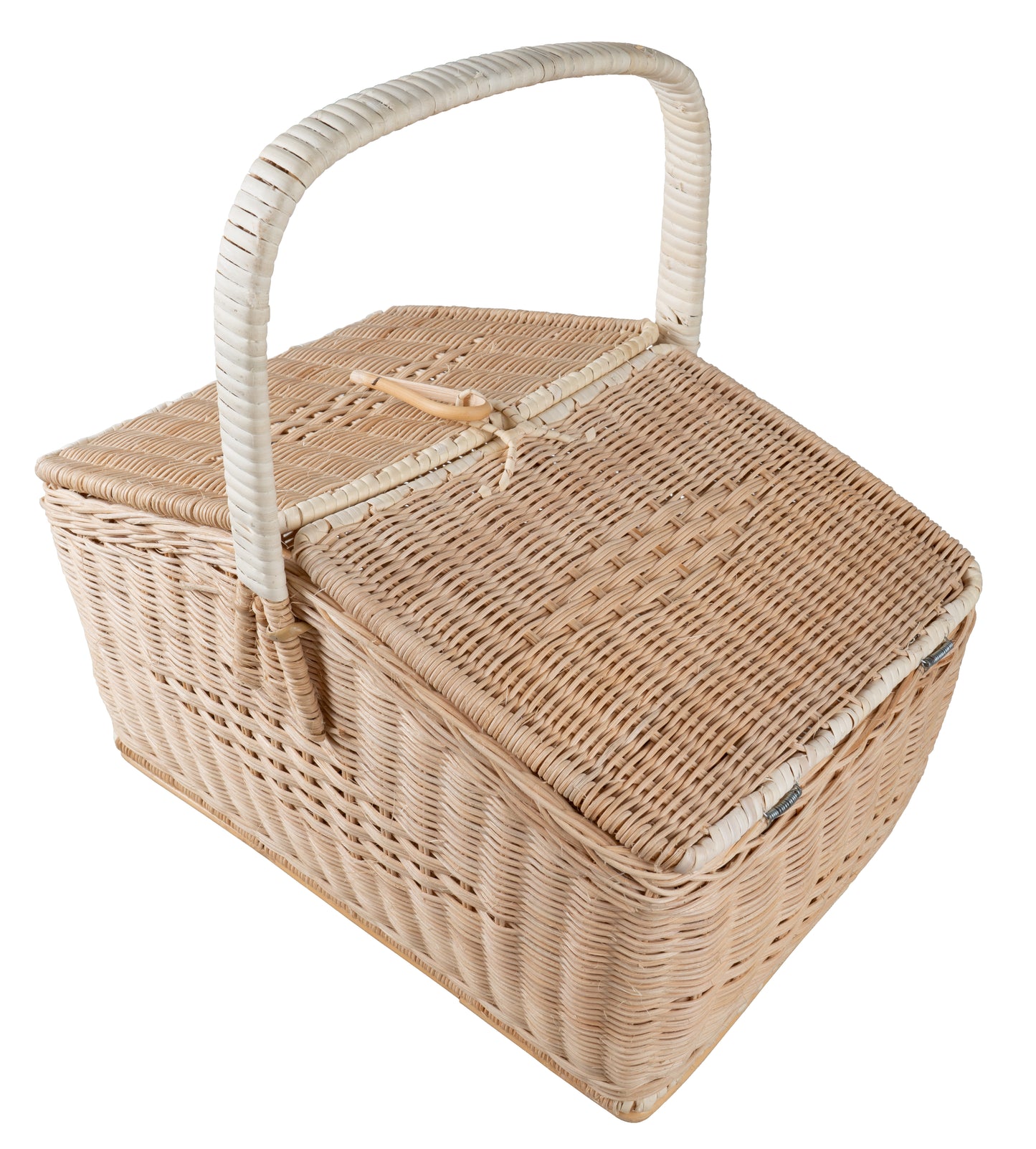
Slow living trends focus on items that are durable and personal. This is why there's a renewed interest in heritage utensils from trusted sellers like CCCollections. We offer picnic baskets and more types of beautifully crafted storage and lifestyle essentials designed for everyday use and outdoor moments. From practical designs to timeless natural styles, each piece blends functionality with effortless charm.
Care, Longevity, and Responsible Use
Proper care ensures these baskets last for years while keeping their natural appearance.
How to clean a sticky rice basket safely
If you're thinking the best way to clean up a rice dish in a proper manner, it's easy:
- Rinse thoroughly with hot water only.
- Avoid harsh soap
- Air dry fully before storage.
- Store in a dry place away from damp areas
This routine prevents mould and protects the bamboo fibres.
Why Bamboo Rice Baskets Make Meaningful Gifts
A handmade basket always carries a story. It reflects time, skill, and cultural value.
Gifts rooted in food tradition and craftsmanship
These baskets appeal as gifts for Thai food lovers and anyone who values authentic kitchen tools. They offer more than decoration. They carry emotional meaning and support ethical production.
When sourced responsibly, they help sustain artisan communities. This is central to CCCollections' product selection.
A Practical Comparison Table
|
Feature |
Bamboo Rice Basket |
Synthetic Container |
|
Material |
Natural bamboo |
Plastic or metal |
|
Breathability |
High |
Low |
|
Cultural value |
Strong |
Minimal |
|
Environmental impact |
Low |
High |
|
Lifespan with care |
Long |
Medium |
Tradition You Can Hold, Stories You Can Share
The bamboo rice basket matters because it shows how food, culture, and care connect. It suits modern homes while keeping traditional values close. Choosing such items supports mindful living and keeps cultural knowledge alive.
Call to Action
Looking to incorporate meaningful traditions into your home? Look into bamboo baskets hand-crafted by artisans who respect the culture, encourage artisans, and are suitable for everyday life. Find ethically produced kitchen and home accessories from CCCollections. Select items that are part of the true story of.
Frequently Asked Questions
What is a bamboo rice basket traditionally used for?
It is used to store, steam, and serve rice, especially sticky rice, while keeping it warm and fresh.
Are bamboo rice baskets safe for food storage?
If properly dried and cleaned, bamboo is healthy and breathable to use for food.
How long do handmade bamboo rice baskets last?
If properly cared for, they will last for years without becoming obsolete.
Can bamboo rice baskets be used in modern kitchens?
Absolutely. Many people use them for serving, storage, or table display.
Why are sticky rice baskets culturally important?
They reflect shared meals, respect for food, and regional cooking practices.